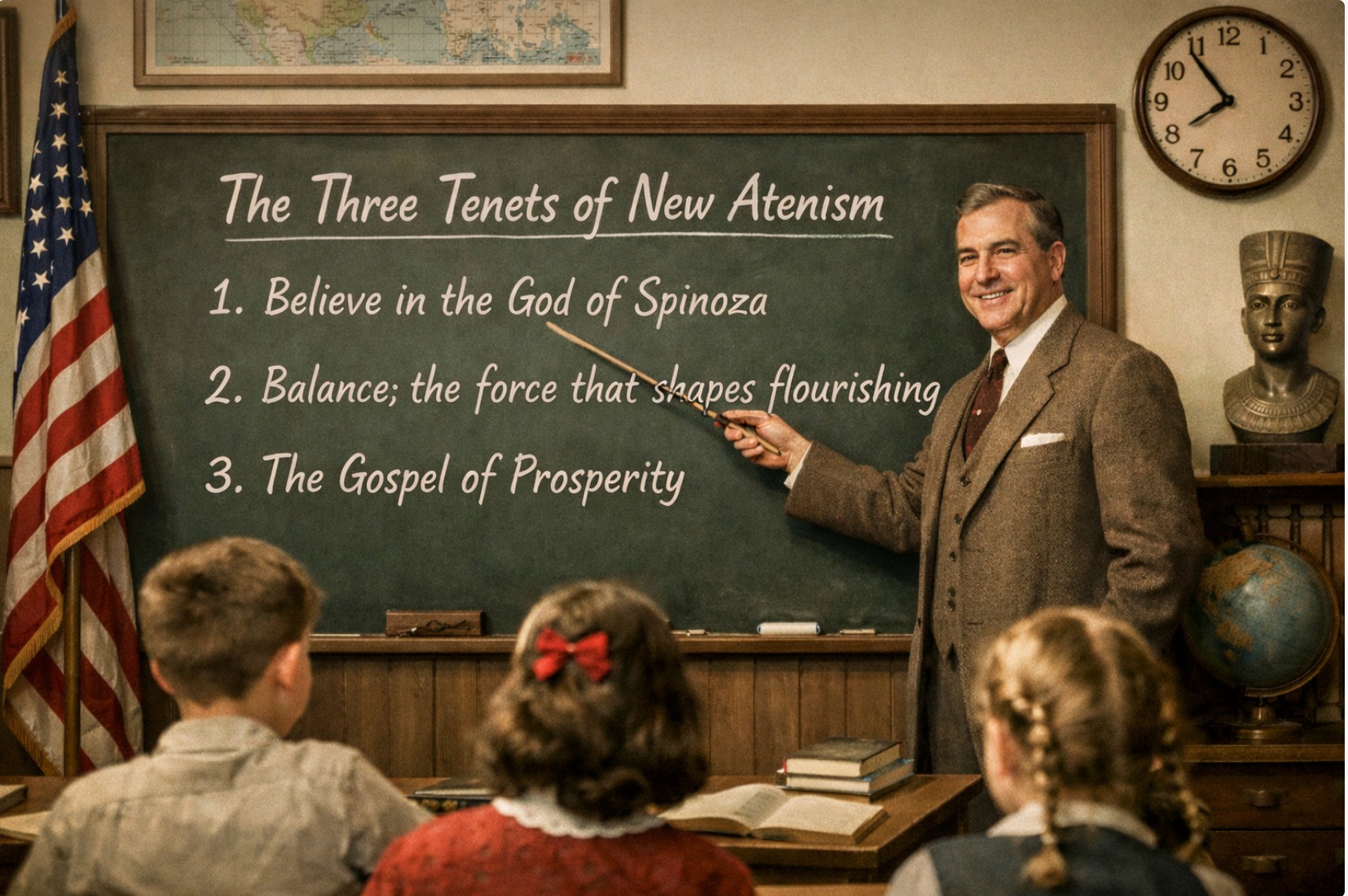

In New Atenism, I borrow Jonathan Haidt’s now-famous metaphor of the rider and the elephant. The rider represents our reasoning mind. The elephant represents our powerful, intuitive, emotional, and instinctual drives.
Most of the time, the rider thinks he’s in control. In reality, he is often perched atop a 6,000-pound animal that goes where it wants.
An Elephant Herder is not simply a rider who controls his own elephant. An Elephant Herder is someone who helps design the paths that many elephants travel. They create the norms, incentives, institutions, and cultural narratives that channel instinct toward flourishing rather than destruction.
If Seekers are committed practitioners of reason, Elephant Herders are architects of the systems that make reason effective at scale.
The Four Roles in the Prosperity Project
To understand Elephant Herders, we need to situate them among the other roles in the collective prosperity project.
1. Strivers
Strivers are those whose lives are dominated by instability or material insecurity. When you are worried about rent, safety, or food, your elephant is in survival mode. There is little cognitive surplus for long-term institutional design. Strivers are not lesser; they are constrained. History shows that when material prosperity rises, more people gain the bandwidth to contribute beyond survival.
2. Followers
Followers operate within systems shaped by reason. They obey traffic laws, vaccinate their children, use smartphones, and trust plumbing systems — often without thinking about the knowledge structures behind them. Followers benefit from and reinforce rational systems but rarely design them.
3. Seekers
Seekers are consciously committed to reason and knowledge humility. They recognize their elephant’s biases and attempt to discipline them. They support institutions that promote truth-seeking. Many scientists, judges, educators, and thoughtful citizens fall into this category.
4. Elephant Herders
Elephant Herders go one step further. They do not merely practice reason personally; they structure incentives and institutions that guide others.
They ask:
- How do we align self-interest with the common good?
- How do we make the rational path the easiest path?
- How do we design systems that nudge elephants toward cooperation?
They are institutional engineers.
A Brief History of Elephant Herding
Humans have always herded elephants — just not always literal ones.

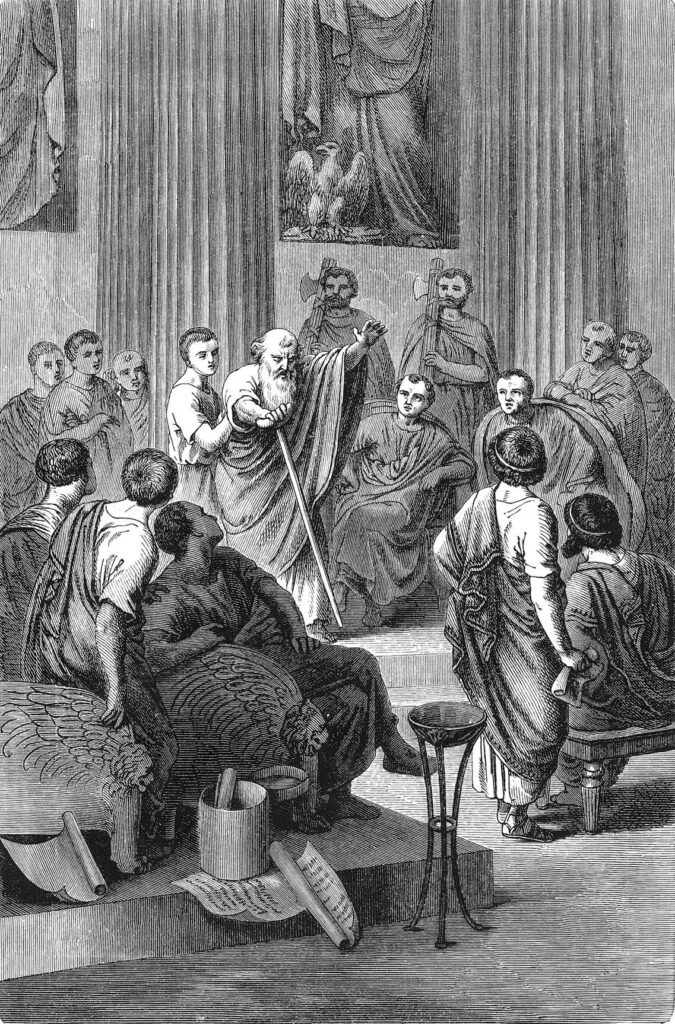

From early law codes etched in stone to the Roman Senate, from the Magna Carta to the printing press, history is a story of people designing structures to channel human behavior.
Consider:
- Legal codes constrain violence.
- Markets align self-interest with production.
- Scientific institutions channel curiosity into replicable knowledge.
- Democratic systems redirect power struggles into ballots instead of bloodshed.
These are all elephant-herding technologies.
Modern Elephant Herders have included reformers, founders of institutions, civil rights leaders, and even entrepreneurs who structure systems that change human behavior at scale.
The rise of traffic laws, public sanitation, universal education, and human rights frameworks did not happen because individuals spontaneously became virtuous. They happened because someone designed the road.
A Contemporary Example: Candy Lightner

In 1980, Candy Lightner’s 13-year-old daughter was killed by a repeat drunk driver. Rather than retreat into private grief, Lightner founded Mothers Against Drunk Driving (MADD).
Before MADD, drunk driving was often treated as a minor offense. After sustained advocacy, public pressure, and institutional reform, the United States raised the drinking age, strengthened DUI laws, and reshaped social norms.
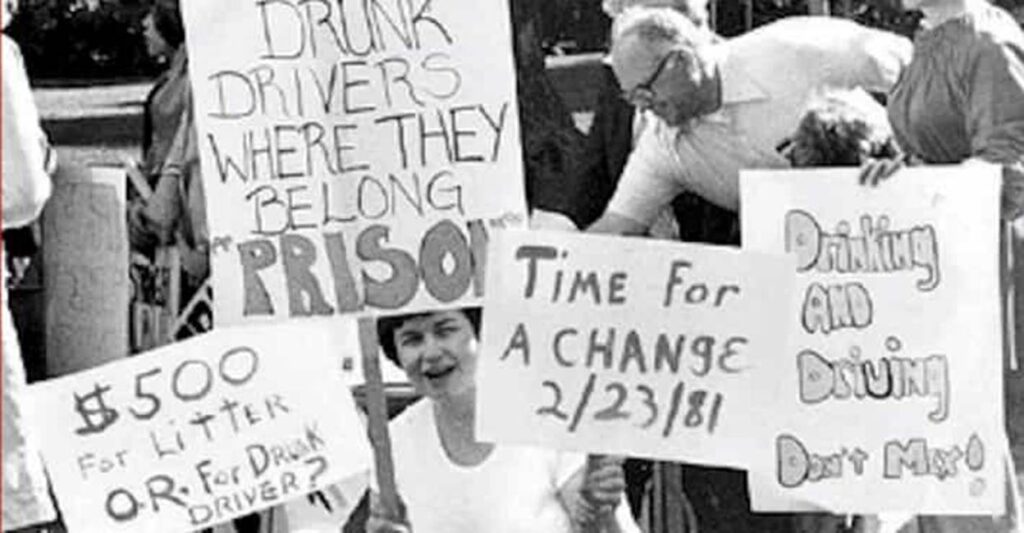
Lightner did not personally stop drunk drivers. She changed the system that shaped them.
This is elephant herding: shifting incentives, stigmas, and legal consequences so that the elephant’s impulse — “I’ll just drive home carefully” — becomes less attractive and more costly.
Other examples abound:
- Reformers who improved food safety laws.
- Designers of public health campaigns.
- Architects of microfinance systems.
- Builders of platforms that incentivize truth over virality (at least in theory).
Elephant Herders operate where culture meets structure.
What It Takes to Become an Elephant Herder
Elephant herding is not a title; it is a developmental stage.
1. Material Stability
It is extremely difficult to design institutions while in survival mode. As Kaufman’s sailboat analogy suggests, the hull (safety and physiological needs) must be reasonably intact before one can focus on shaping society’s trajectory.
2. Self-Knowledge
You must understand your own elephant. If you are blind to your biases, resentments, or need for status, you will build systems that serve your ego rather than the commons.
3. Knowledge Humility
Elephant Herders must accept that they are fallible. Systems should include feedback loops, transparency, and mechanisms for correction. The scientific method is powerful not because scientists are saints, but because it institutionalizes criticism.
4. Incentive Literacy
They must understand how incentives shape behavior. Humans respond predictably to rewards, punishments, and social signals. A well-designed system makes virtue easier and vice harder.
5. Moral Imagination
An Elephant Herder must ask not only “What works?” but “For whom?” Policies and institutions have unintended consequences. Moral imagination requires empathy across class, culture, and time.
Elephant Herding and the Gospel of Prosperity
In New Atenism, the Gospel of Prosperity does not mean material excess. It means expanding the conditions under which humans can flourish — materially and inwardly.
Elephant Herders expand the space in which Seekers can thrive and Strivers can rise. They reduce chaos so that more people can participate in collective reason.
They are not saviors. They are system designers.
The Dark Side of Elephant Herding
Every power casts a shadow.
The same skills that allow someone to guide elephants toward prosperity can guide them toward destruction.
History offers sobering examples:

Charismatic leaders have harnessed fear, resentment, and tribal identity to devastating effect. Totalitarian regimes perfected propaganda systems. Corporations have engineered addictive technologies that exploit cognitive vulnerabilities.
Dark Elephant Herders understand incentives just as well as benevolent ones — but they align them with domination, profit at any cost, or ideological purity.
The difference lies not in skill but in orientation toward reason and humility.
A healthy Elephant Herder:
- Builds in criticism
- Encourages dissent
- Welcomes data that falsifies their assumptions
A dark Elephant Herder:
- Suppresses feedback
- Demonizes critics
- Treats dissent as betrayal
Without humility, herding becomes manipulation. Without reason, it becomes fanaticism.
Why Elephant Herders Are Rare
Elephant herding requires a convergence of:
- Stability
- Intelligence
- Emotional maturity
- Long time horizons
- Institutional knowledge
- Moral commitment
Most of us will not spend our lives redesigning legal codes or founding reform movements. That’s fine, but healthy societies must produce at least a few Elephant Herders per generation — or stagnation and decay follow.
Wanna Herd Some Elephants?
You may not found a national movement. But elephant herding can occur at many scales:
- Designing fair policies in your company
- Creating norms in a community group
- Structuring incentives in a classroom
- Writing code that nudges users toward healthier behavior
Every system shapes elephants.
The question is not whether elephants will be herded. They always are. The question is: by whom, and toward what end?
The Fork in the Road
In New Atenism, we stand at a fork in the road of knowledge. Reason has revealed both extraordinary power and extraordinary danger. We can design institutions that reduce poverty, disease, and violence. We can also design systems that polarize, addict, and manipulate.
Elephant Herders stand at this fork more visibly than most. They hold tools capable of amplifying either flourishing or fear.
To become one is to accept a burden: to channel instinct without denying it; to design incentives without dehumanizing; to guide elephants without forgetting that you ride one too.
And perhaps most importantly: to build systems that outlast you.
Because in the end, progress is not the product of solitary genius. It is the result of structures that allow collective reason to do its work.
Elephant Herders are the architects of those structures.