
At the Fork in the Road: Spinoza’s God and the Bridge of Reason
Spinoza defined God—or Nature—as everything that exists: all that ever was, is, or will be. Not a supernatural being outside the universe, but the totality of reality itself.
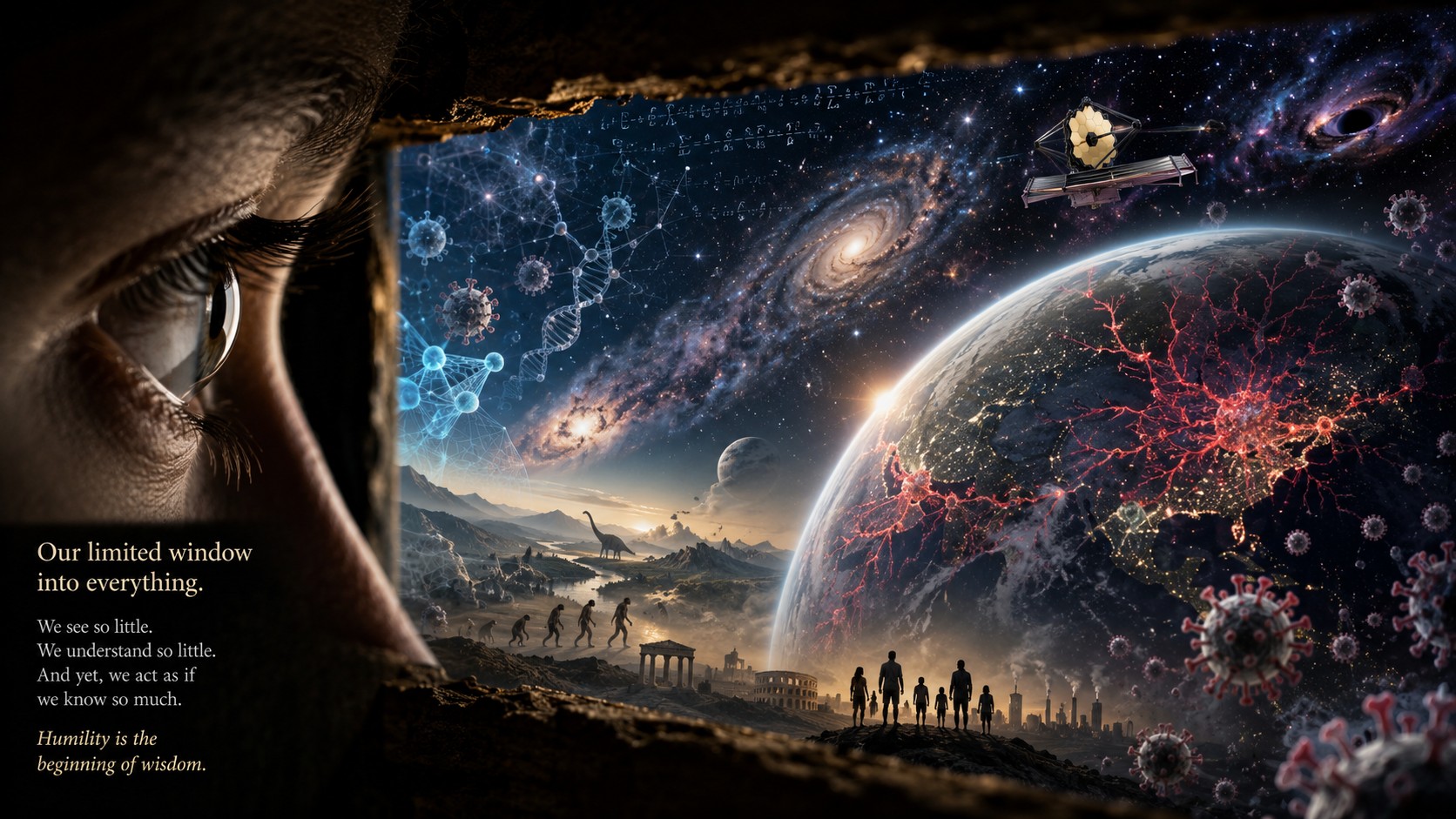
He also argued that while reality has infinite attributes, human beings perceive it through only two: thought (ideas, theories, imagination, memory) and extension (the physical world of matter, energy, and natural law). That limitation is not a flaw. It is the beginning of humility.
We live in thought.
We observe through extension.
Reason builds the bridge between the two. .

All ideas originate in thought. All evidence appears in extension. When reason tests ideas against observation—subjecting them to criticism, measurement, and revision—it strengthens the bridge between what we imagine and what is. When that bridge becomes sturdy enough, an idea becomes knowledge.
This bridge-building process is the engine of progress. It is why we live longer, healthier, and more materially secure lives than our ancestors. It is why disease is understood rather than attributed to spirits, and why divine right monarchies gave way to constitutional democracies. Reason does not merely accumulate knowledge; it filters norms and institutions, discarding those that fail when tested against reality.
That filtering function is crucial.
Religious narratives have shaped human cooperation for millennia. Whether literally true or not, their effects—both uplifting and destructive—play out in extension. They can unify tribes, justify cruelty, inspire charity, or sanctify oppression. Slavery, witch burnings, and the divine right of kings were once embedded in religious worldviews. They receded not because myths vanished, but because reason exposed contradictions between those doctrines and observable human flourishing.
This is where the fork in the road appears.
Many traditions affirm that God is infinite and beyond comprehension. But they then take a speculative step further—claiming specific divine intentions about dress, diet, love, or conquest. From that point forward, competing thought-domain stories harden into dogma.
Spinoza stops at the fork.
If God is everything—if God is the totality of existence—then the simple fact that something exists is sufficient evidence for God. The bridge is not mystical; it is ontological. We observe reality. We know something is. We apply reason to understand it more clearly. We call that totality God.
This is not faith without evidence. It is belief in proportion to evidence.
Critics sometimes object that this is merely semantic—rebranding “existence” as “God.” But language is a tool. For billions of people, “God” carries moral and psychological weight that “existence” does not. If the aim is to move humanity toward reality rather than away from it, reframing may be more powerful than rejecting.
New Atenism does not smuggle mysticism into rationalism. It draws a firm boundary between what crosses the evidentiary bridge and what remains in the thought domain. Religious stories, Shakespearean tragedies, and modern mythologies all live there. They may be profound. They may shape character and culture. But none become knowledge unless they survive contact with extension.
This distinction protects both science and meaning. It prevents myth from contaminating empirical inquiry while preserving space for narrative, metaphor, and moral imagination.
We can cherish religious narratives as powerful human creations. We can recognize them as “useful fictions” that comfort and inspire. But we must resist elevating any one of them to literal, unquestionable truth.
True religious tolerance begins at reason’s fork in the road. There, we stand united in what knowledge has revealed. Beyond that point, we are free to explore symbols, stories, and speculation—without confusing them for reality.
Spinoza’s God is not personal, jealous, or interventionist. It is not tribal. It is not supernatural. It is the unfolding totality of existence itself—visible in every photon, every equation, every conscious experience.
Because it is universal, it can unite us in a way no sectarian deity can.
We observe reality.
We use reason to understand it.
We continually revise our understanding.
That ongoing, self-correcting bridge between thought and extension is not merely a method. It is the sacred process by which humanity aligns itself with what is.
And that is the God the reality-based community can stand behind together.